Rooter Service in Oregon — Tree Roots Cut Out of Your Sewer Line
Roots do not break into a healthy pipe. They find the joint that is already leaking. That distinction is why cutting them out is maintenance, not a repair — and why anyone selling you permanent root removal from a cable job is selling you a subscription.
- 1.5 to 3 hours
- Statewide Oregon
- 7 days a week
Signs you may need rooter service & tree root removal
Most people arrive here describing a symptom rather than naming a service. These are the three that point this way.
Mature trees within about twenty feet of the sewer run
Willow, poplar, silver maple and the mature street trees in older Portland, Salem and Eugene neighbourhoods are the usual culprits. Roots do not break sound pipe — they find an existing defect.
Backups that arrive on an annual cycle
Root growth is seasonal. A blockage that turns up at roughly the same time each year is following the growth cycle, not chance.
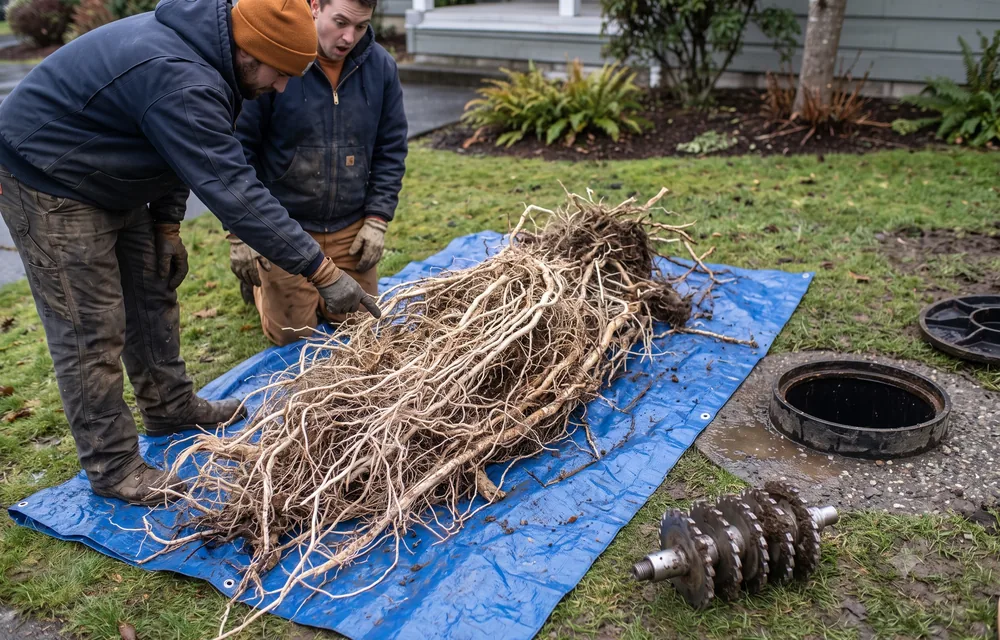
Fine root hairs on the cable
What comes back on the cutter head is the diagnosis. Hair-like roots mean an entry point that will refill, usually within twelve to eighteen months.
Why western Oregon has a root problem
Three conditions have to line up for root intrusion, and most of the state west of the Cascades has all three.
A leaking joint. Clay tile laid in short segments with mortared or gasketed joints is the classic host, and it is what most pre-1960s Oregon laterals are made of. Every joint is a potential entry point once it shifts even slightly.
Aggressive shallow-rooting species. The ornamental plums, cherries, birches and maples planted along residential streets through the mid-twentieth century are prolific shallow rooters. Douglas fir and big-leaf maple on established lots do the same at greater scale. Willows and poplars near a lateral are close to a guarantee.
A moisture gradient the roots can follow. A sewer lateral carries warm, moist, nutrient-rich vapour. In a dry August that vapour plume is the most attractive thing in the soil column, and roots grow toward it and through any opening they find.
Once a hair root is inside, it thickens in the flow, catches paper and solids, and becomes a dam. The classic pattern is a line that runs fine for months, then backs up hard — usually at the worst possible moment.
Signs it is roots and not something else
- Seasonal recurrence. Backups that return roughly annually, often late summer when roots are actively seeking moisture, or during the first heavy autumn rains when infiltration adds volume the narrowed line cannot carry.
- Gurgling toilets with no other symptom, as air is forced past a partial obstruction.
- A cable that comes back with white fibrous material on the cutter head. That is not "debris" — that is root.
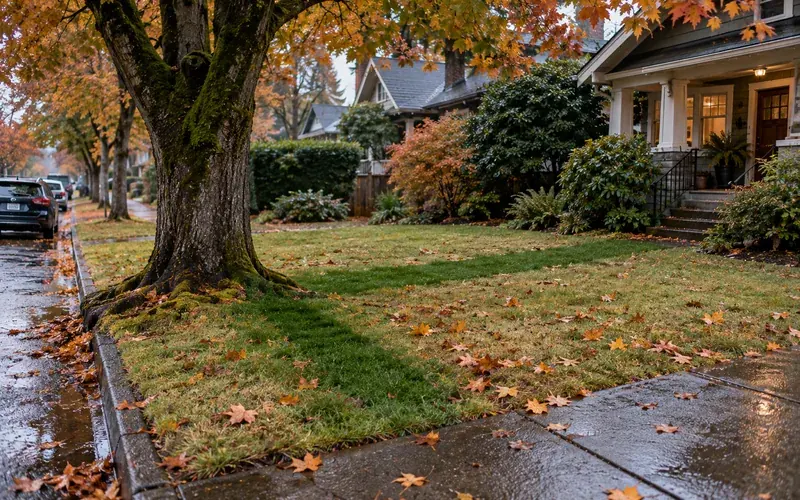
- A greener, faster-growing strip of lawn tracking the line’s path. The roots are being fertilised.
- The blockage always sits at the same footage. Roots colonise a specific joint. A random clog does not recur at exactly 42 feet.
Cutting, jetting, and the honest limits of both
A cable machine with a root-cutting head shears the root mass back to the pipe wall. It is fast, it is comparatively cheap, and it restores flow same day. What it leaves behind is the root structure outside the pipe and the open joint that admitted it, so regrowth begins immediately. On an actively infested line, expect twelve to twenty-four months before you notice it again.
Hydro jetting with a chain or rotating cutter does a materially better job: it removes fine root hair the cable rides past, scours the wall clean, and flushes the debris out instead of leaving fragments to re-lodge. It buys longer intervals — often three to five years — but it does not seal the joint either.
Root-killing foams containing copper sulphate or dichlobenil can slow regrowth when applied after a mechanical clearing. They are a delay tactic, not a cure, and some Oregon jurisdictions restrict what may be introduced into the sanitary system. Check the local position before buying one — some are not legal to introduce into the system where you live.
The only genuinely permanent fix is to stop the joint leaking. That means CIPP lining, which creates a jointless pipe inside the old one and eliminates every entry point simultaneously, or replacing the run outright.
Deciding between cutting forever and lining once
| Cut and jet on a schedule | Line the pipe once | |
|---|---|---|
| Up-front cost | $275–$650 per visit | $8,000–$18,000 |
| Frequency | Every 1–3 years, indefinitely | Once |
| 10-year cost (typical) | $1,600–$4,500 | $8,000–$18,000 |
| Risk of an emergency backup | Remains, between services | Effectively removed |
| Effect at resale | Disclosed recurring issue | Documented capital improvement |
| Best when | Pipe is otherwise sound, you may move soon | Staying put, or the pipe has other defects too |
Cutting on a schedule is a perfectly rational choice, particularly if the pipe is otherwise sound and you do not expect to own the house in ten years. A maintenance interval is a legitimate answer, and nobody should be pushing lining at you if the pipe is sound.
It stops being rational when the camera shows the joints are also cracking, when the intervals are shortening each cycle, or when a single emergency backup and its cleanup would cost more than the lining premium. Ask to see the footage and decide with real numbers rather than a verbal description.
What a rooter call should include
Confirm it is actually roots
Symptom pattern plus what actually comes back on the cutter. Assumption is not diagnosis.
Cut to full pipe diameter
Cutter head sized to the line, not one head for every job. A partial cut is a short interval.
Jet the debris out
Where the pipe condition allows it, so fragments do not re-lodge downstream.
Camera the cleared line
You see the joint the roots are entering through, and its footage and depth.
Both paths, with numbers
A maintenance interval and a lining option, side by side — including the one that ends the recurring visits.
Log the footage for next time
If you choose maintenance, that record is what makes the next visit shorter — it names the joint to work.
Frequently asked questions
How much does root removal from a sewer line cost?
Mechanical root cutting typically runs $275 to $650 depending on line length, access and severity. Adding a jetting pass to flush the debris and clean the wall increases both the cost and the interval before regrowth becomes a problem. A camera pass afterward is how you find out which joint is actually the problem.
How often do tree roots come back?
After cable cutting alone, most western Oregon lines need service again within one to two years. After cutting plus hydro jetting, typically three to five years. The interval shortens over time as the joint opening enlarges, which is usually the signal it is time to consider lining.
Can I use root killer myself?
Copper sulphate and dichlobenil foams can slow regrowth after a mechanical clearing, but they will not clear an existing blockage and they do not repair the joint. Some Oregon jurisdictions restrict what may be introduced into the sanitary sewer, so check locally first. Treat these as a delay tactic, never a cure.
Should I remove the tree?
Usually not, and often you cannot — many Oregon cities protect street trees and larger private trees, and removal requires a permit. Removal also does not repair the joint that is already open, and decaying root masses can leave voids. Lining the pipe solves the problem while keeping the tree.
Will lining the sewer stop roots for good?
Yes, for the lined section. CIPP creates a continuous jointless pipe inside the old one, so there is no opening for roots to enter. The usual caveat is that lining must cover the full affected run — roots will simply find the first unlined joint beyond the liner’s end.
Is root intrusion covered by homeowners insurance?
Generally no. Standard policies exclude gradual damage and root intrusion is the textbook example. A separate service-line endorsement, which many Oregon carriers sell cheaply, is what typically covers buried lateral repair. Check your declarations page.
Guides that cover this in more depth
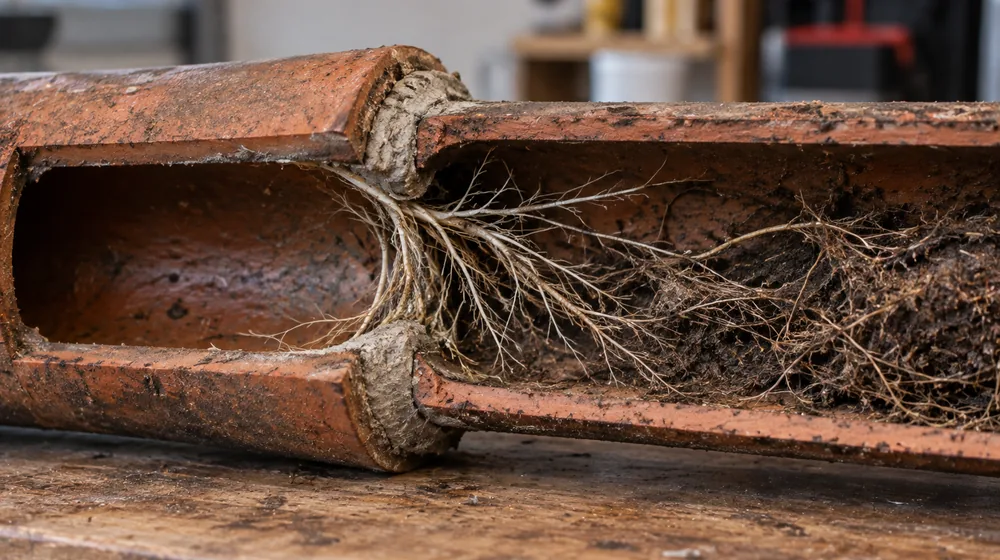
Tree Roots in Your Sewer Line: Why Oregon Has It Worst
Roots do not break into a healthy pipe. They find the joint that is already leaking. Understanding that single fact te…
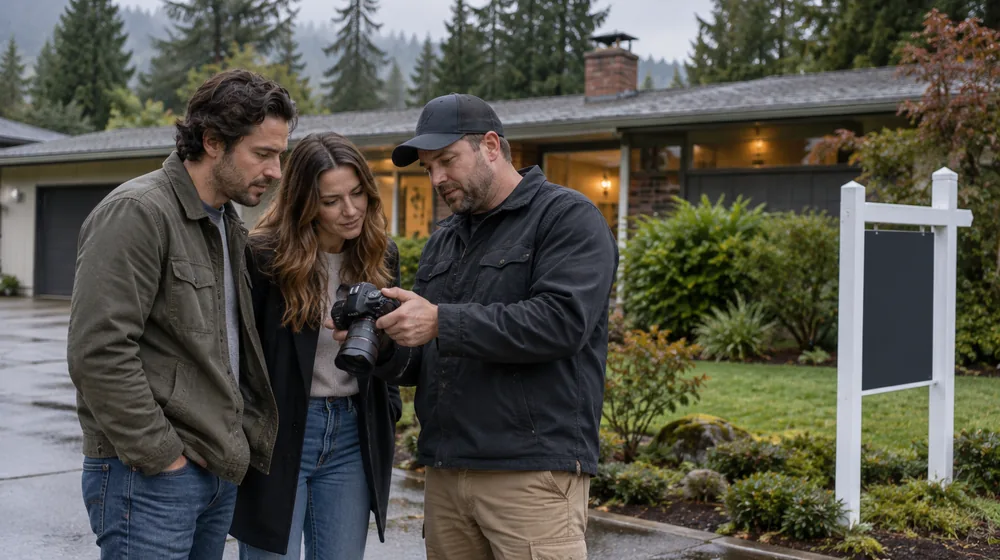
Why You Need a Sewer Scope Before Buying an Oregon Home
Roughly $250 during your inspection contingency, to find out whether you are buying a $600 cleaning or a $14,000 repla…
Why Is My Toilet Gurgling? What That Sound Means
A gurgling toilet is one of the few plumbing symptoms that is almost never trivial. The sound is air being dragged thr…
Related services
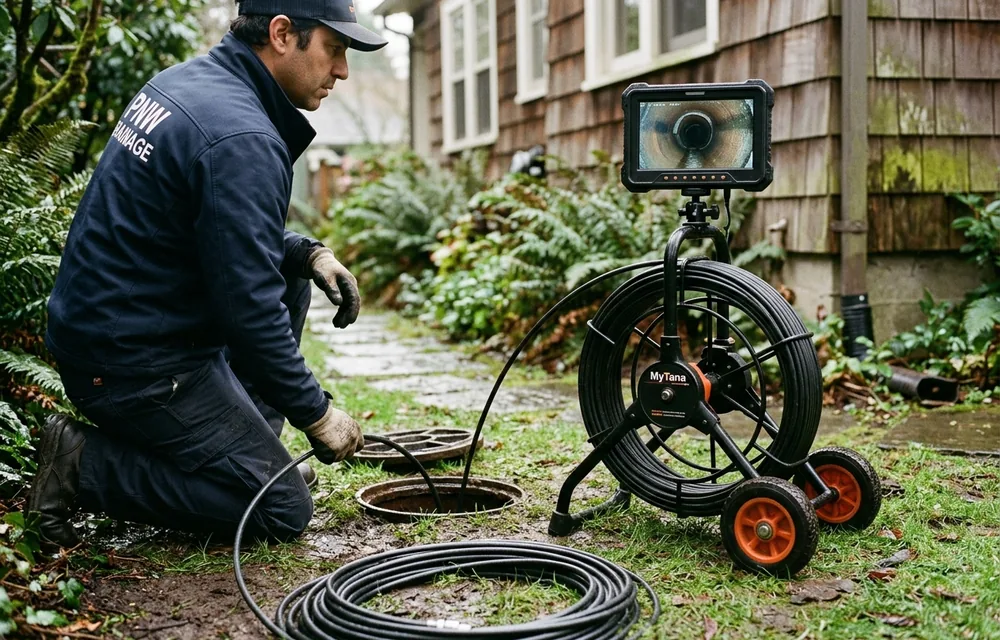
Sewer Camera Inspection
A sewer scope is the cheapest insurance in real estate and the only defensible basis for an excavation quote.
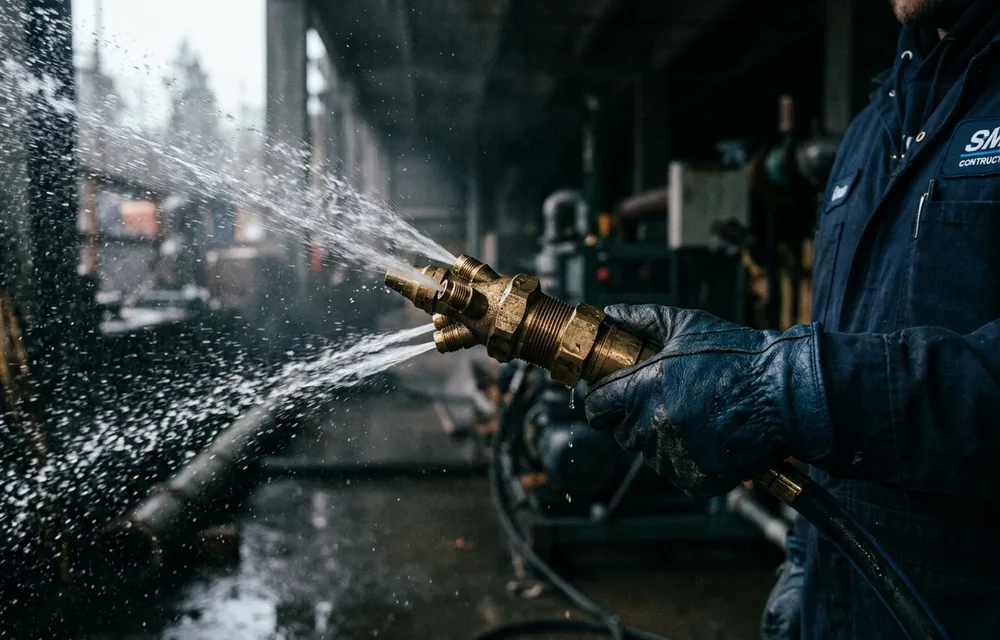
Hydro Jetting
A cable bores a hole through the clog.
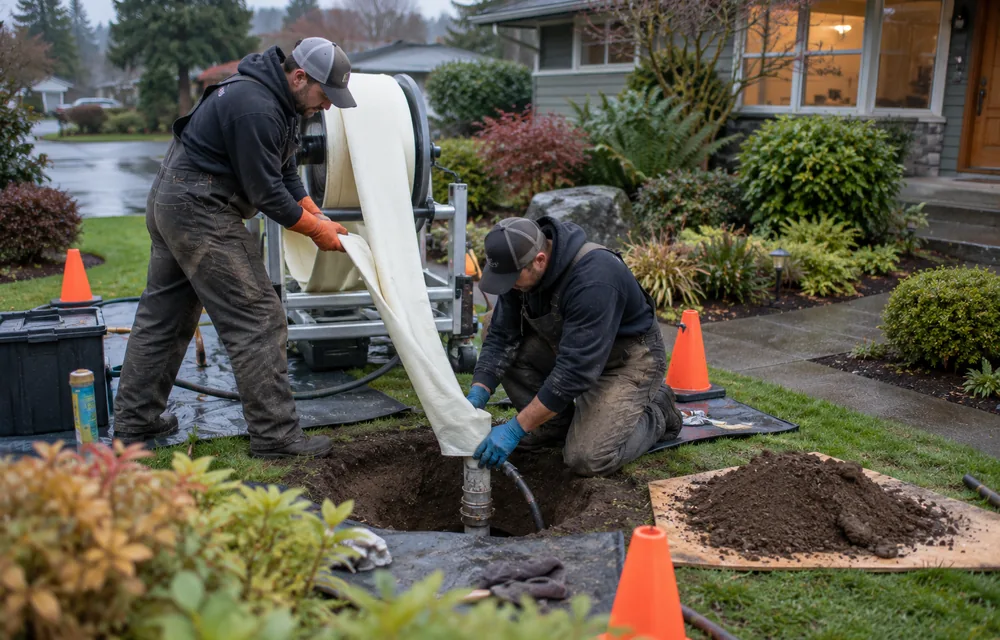
Sewer Line Repair & Replacement
Sewer replacement is the largest unexpected bill most Oregon homeowners ever face on their plumbing.
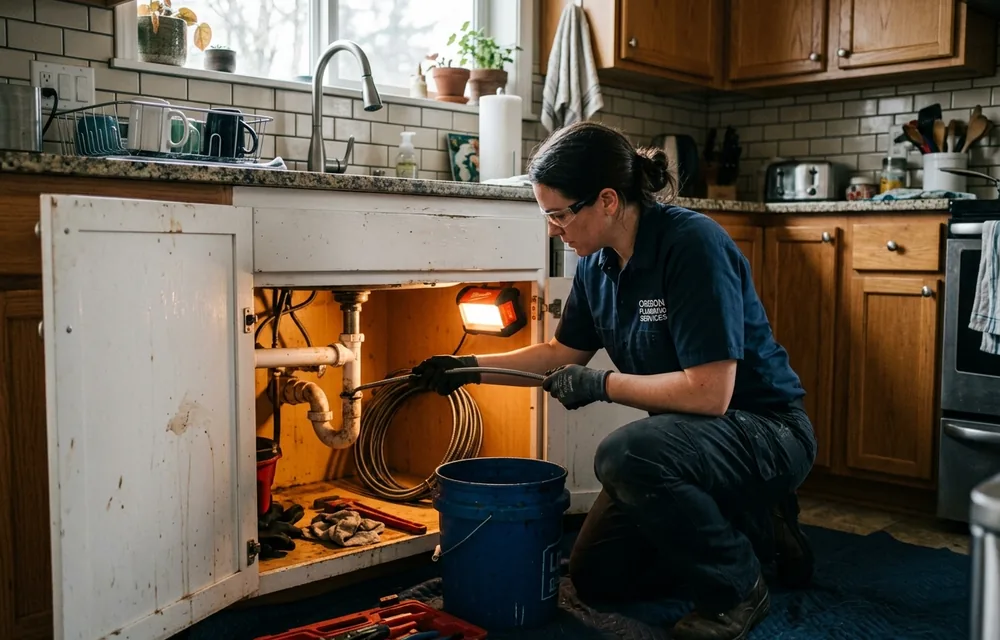
Drain Cleaning
A single slow sink is a nuisance.
Rooter Service & Tree Root Removal across Oregon
Rooter Service & Tree Root Removal is covered in 26 Oregon cities. Each local page sets out the housing stock and pipe materials specific to that area.