Drain cleaning and sewer service in Gresham, Oregon
Gresham grew fastest between 1960 and 1990, which puts a large share of its housing stock squarely in the cast-iron and early-plastic era. It also sits at the mouth of the Columbia River Gorge, and the east wind that makes Gresham colder than the rest of the metro has real consequences for exposed plumbing.
- Multnomah County
- Portland Metro
- Same-day and 24/7
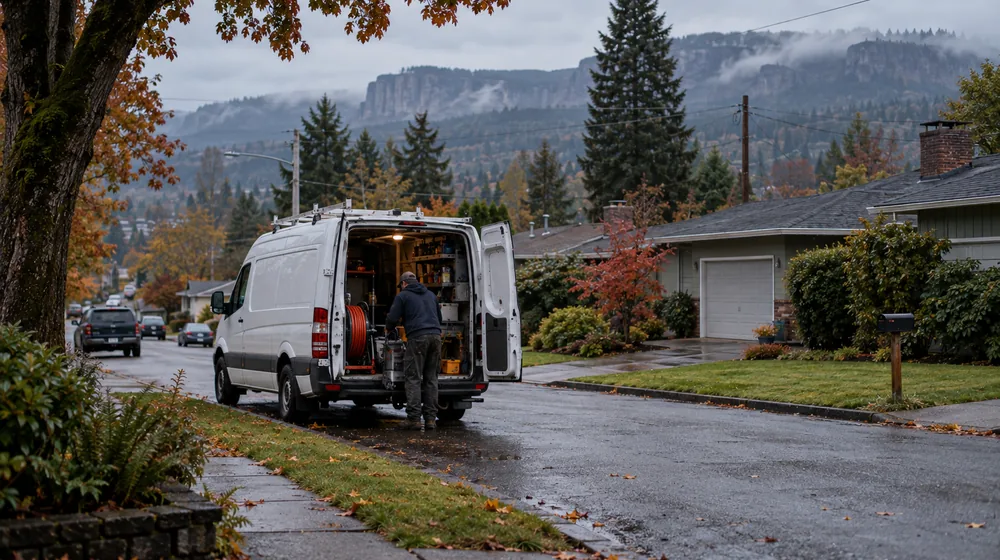
What goes wrong with Gresham plumbing
Gorge east wind and freeze exposure
Gresham catches the outflow wind from the Columbia Gorge and routinely runs several degrees colder than Portland during a cold snap. Exposed hose bibs, crawlspace lines and sump pump discharge lines freeze here in winters where the rest of the metro is unaffected.
Cast iron at end of service life
The 1960s–1980s building wave means a very large number of Gresham homes now have cast iron drain lines at 45 to 60 years old, corroding along the invert and catching everything that passes.
Sandy Delta soils and lateral settlement
Parts of Gresham sit on alluvial deposits that settle unevenly, producing bellies in laterals — low spots where solids collect. A belly is the one defect that trenchless lining cannot fix, because lining preserves the existing slope.
Housing stock and pipe materials
Housing: Some pre-war stock in the historic downtown, with the dominant share built between 1960 and 1990 and continued growth since.
Likely pipe materials: Cast iron and early ABS on the 1960s–1980s majority, with clay and occasional Orangeburg in the older downtown core.
Who is responsible for the pipe in Gresham
In most Oregon jurisdictions the property owner is responsible for the sewer lateral from the building to the connection at the public main — including the portion running under the street. The exact split differs by city, so confirm yours with Gresham's public works or wastewater department before assuming any of it is theirs.
Two things worth checking before you pay for anything: whether the city runs a lateral repair assistance or low-interest loan program, and whether your homeowner's policy carries a service line endorsement.
Where the line reaches in and around Gresham
Within Gresham that covers Downtown Gresham, Rockwood, Centennial, Powell Valley, Kelly Creek, North Gresham, Wilkes East and the surrounding area. Same-day drain cleaning and rooter service is usually available across Gresham, and the line is answered around the clock for an active backup. Confirm coverage for your exact address on the call.
Nearby cities also covered
What the call covers in Gresham
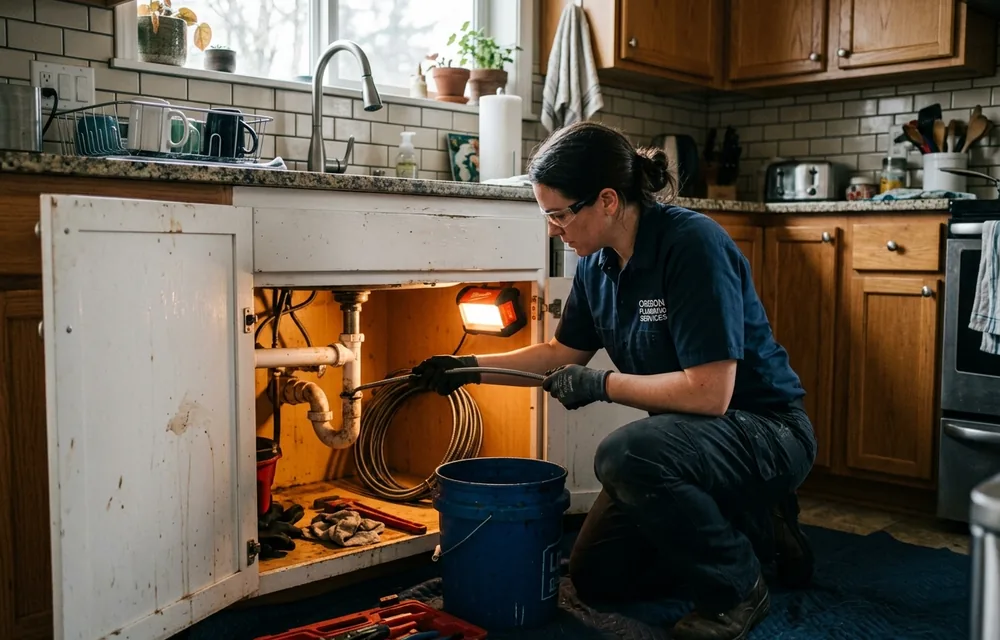
Drain Cleaning
A single slow sink is a nuisance.
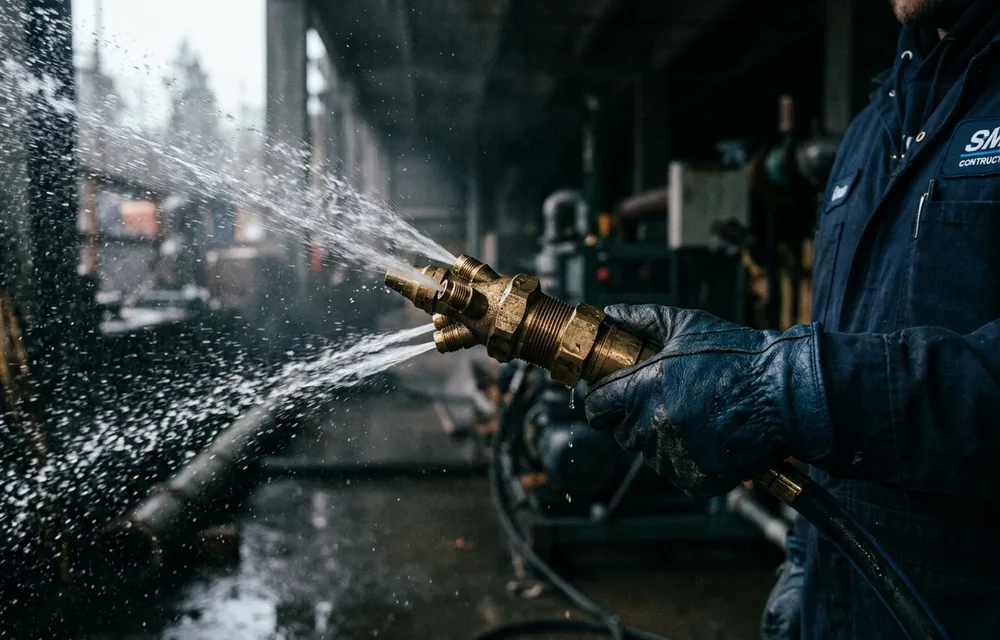
Hydro Jetting
A cable bores a hole through the clog.
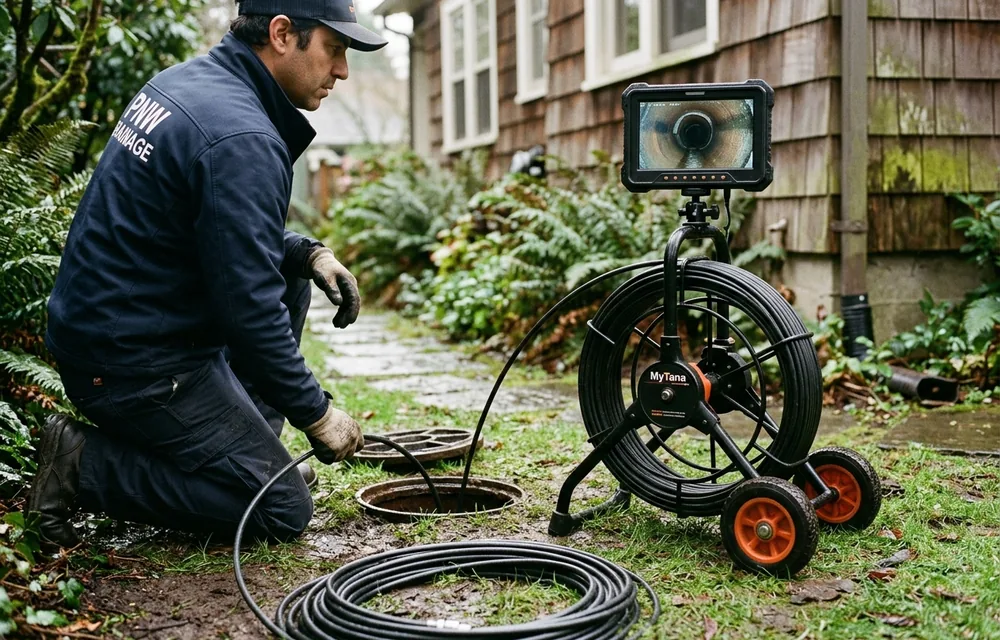
Sewer Camera Inspection
A sewer scope is the cheapest insurance in real estate and the only defensible basis for an excavation quote.
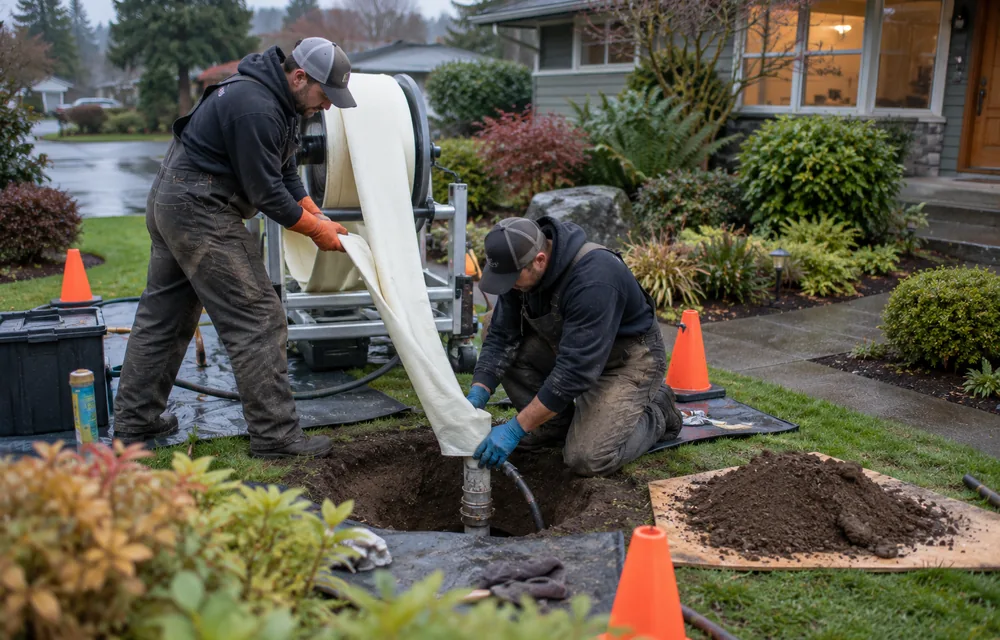
Sewer Line Repair & Replacement
Sewer replacement is the largest unexpected bill most Oregon homeowners ever face on their plumbing.
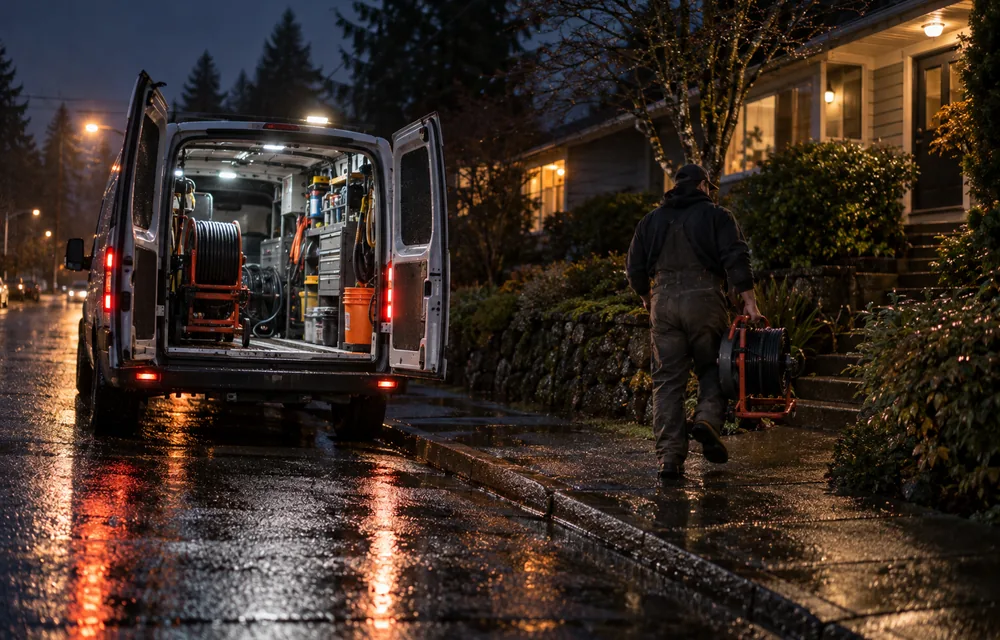
24/7 Emergency Drain & Sewer Service
If sewage is entering your home right now, stop reading and call.
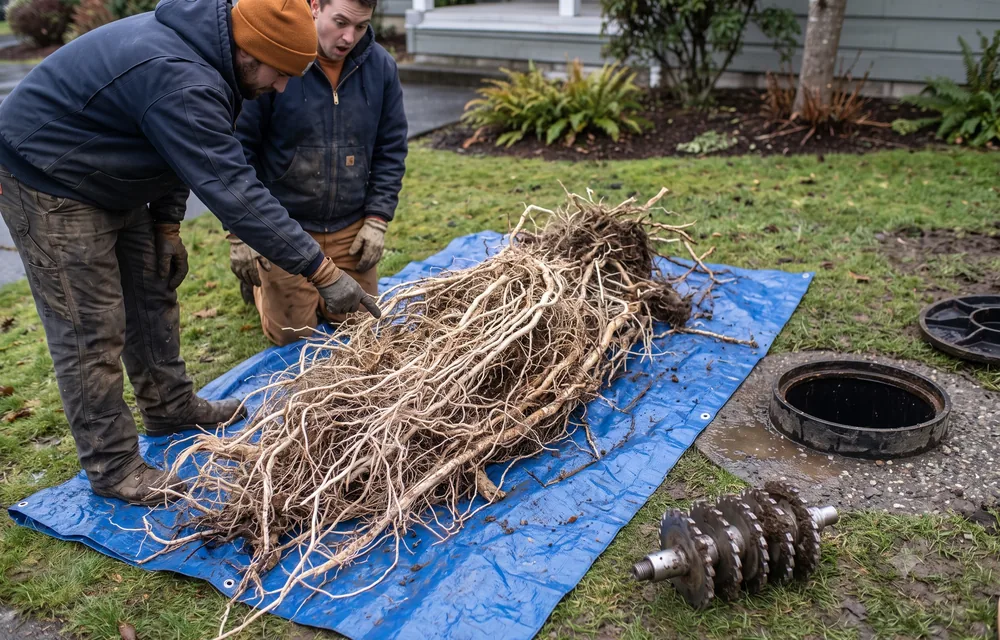
Rooter Service & Tree Root Removal
Roots do not break into a healthy pipe.
Gresham plumbing questions
Why does Gresham freeze when Portland does not?
Gresham sits at the mouth of the Columbia River Gorge and catches the east outflow wind, which routinely runs it several degrees colder than the rest of the metro during a cold snap. Exposed hose bibs, crawlspace lines and sump pump discharge lines freeze here in winters where inner Portland is entirely unaffected. Insulating those three things is cheap and it is worth doing before December.
What is a sewer line belly and why do Gresham homes get them?
A belly is a low spot where the line has settled below its intended grade, so water and solids collect there instead of flowing through. Parts of Gresham sit on alluvial deposits that settle unevenly, which is what creates them. The critical point: trenchless lining cannot fix a belly, because lining preserves the existing slope. A belly has to be excavated and re-graded.
My Gresham home is from 1975 — what should I expect?
Most likely cast iron drain lines now approaching 50 years old and beginning to corrode along the invert, possibly with early ABS on branch lines. Neither is an emergency by itself, but if you are seeing repeated slow drains that cabling only briefly improves, a camera inspection will tell you whether you are maintaining a line or postponing a replacement.