Drain cleaning and sewer service in Portland, Oregon
Portland has the oldest and most varied sewer infrastructure in Oregon, and the city's drain problems are almost entirely a story about when a neighbourhood was built. Inner eastside blocks platted before 1920 sit on clay tile with a mature street-tree canopy directly above it. Postwar subdivisions east of 82nd and out toward Parkrose fall squarely in the Orangeburg window. Both are now failing, for completely different reasons.
- Multnomah County
- Portland Metro
- Same-day and 24/7

What goes wrong with Portland plumbing
Orangeburg laterals reaching total failure
Portland's postwar building boom coincided exactly with the Orangeburg era. The pipe was rated for 30 to 50 years and every remaining run is now past that. In Portland's persistently wet soil it absorbs water, deforms out of round and collapses. It generally cannot be lined, so discovery usually means planning a replacement.
Street trees over century-old clay
The elms, maples and ornamental plums along inner eastside streets were planted directly over clay-tile laterals with mortared joints. Root intrusion here is not occasional, it is the default. Many of these trees are also city-protected, which rules out removal and makes lining the practical answer.
Combined-sewer legacy and basement backups
Portions of the older system were built as combined sewer, and while the Big Pipe project dramatically reduced overflow events, low-lying basements on marginal laterals still see backups during sustained winter rain when infiltration consumes what capacity the line had left.
Housing stock and pipe materials
Housing: Housing stock spans the 1890s to the present, with heavy concentrations of pre-1920 construction in the inner eastside and Northwest, and 1945–1965 development east of 82nd Avenue and in outer Southeast.
Likely pipe materials: Clay tile on pre-1940 laterals, Orangeburg on much of the 1945–1972 stock, cast iron inside most homes built before 1975.
Who is responsible for the pipe in Portland
Portland Bureau of Environmental Services. Portland splits lateral responsibility between the city and the property owner under City Code Chapter 17.32 and Administrative Rule ENB-4.17. Lateral repairs and connections in the right-of-way require a UR or UC permit from the city.
Confirm your own boundary with the utility before assuming any part of the run is theirs — and check whether your homeowner's policy carries a service line endorsement, which many Oregon carriers sell cheaply.
A closer look at Portland
Portland breaks into three distinct plumbing markets
Inner eastside and Northwest — pre-1920. Sellwood, Hawthorne, Belmont, Alberta, Laurelhurst and the Northwest alphabet district were platted before the First World War and laid with clay tile in short mortared segments. Every one of those joints is a root entry point, and the street canopy above them is now a century of growth. Camera inspections here routinely find four or five defects on a single run, which pushes the sensible answer away from spot repair toward full-run lining.
East of 82nd and outer Southeast — 1945 to 1965. Montavilla, Parkrose, Lents and the Powellhurst area were built during the exact window Orangeburg was standard. That pipe was rated for 30 to 50 years and every remaining run is now past it. It is generally not linable because it deforms out of round, so discovery means planning a replacement rather than a repair.
West hills and newer infill. Steep lots, deep laterals and expensive hardscape. Pipe condition is often better, but excavation and restoration cost far more, which shifts the economics decisively toward trenchless methods.
The permit reality, and why it is not optional
Lateral repairs and connections in the public right-of-way require a UR or UC permit from the city. Portland publishes the responsibility split in City Code Chapter 17.32 and Administrative Rule ENB-4.17, and the division is genuinely shared — part of the run is the city's and part is yours, which is unusual and worth confirming for your specific address before you accept anyone's quote for the whole thing.
Unpermitted sewer work in Portland resurfaces reliably at resale, and resolving it retroactively costs considerably more than permitting it correctly. The permit is pulled and the inspections scheduled as part of the job. If a contractor offers you a cash price contingent on skipping it, that discount is a liability you are buying.
Street trees you are probably not allowed to remove
Portland regulates street trees and many larger private trees, and removal permits for a healthy specimen are frequently denied. Homeowners who arrive at the conclusion "the tree has to go" often discover it legally cannot.
This matters commercially because it removes an option people assume they have, and it makes CIPP lining the practical answer rather than merely the convenient one. A liner creates a continuous jointless pipe inside the old one, eliminating every entry point at once, and the tree stays. It is one of the few situations where the more expensive method is also the only one that actually works.
Where the line reaches in and around Portland
Within Portland that covers Sellwood-Moreland, Hawthorne and Belmont, Alberta and Concordia, St. Johns, Multnomah Village, Laurelhurst, Montavilla, Parkrose, Hillsdale, Kenton and the surrounding area. Same-day drain cleaning and rooter service is usually available across Portland, and the line is answered around the clock for an active backup. Confirm coverage for your exact address on the call.
Nearby cities also covered
What the call covers in Portland
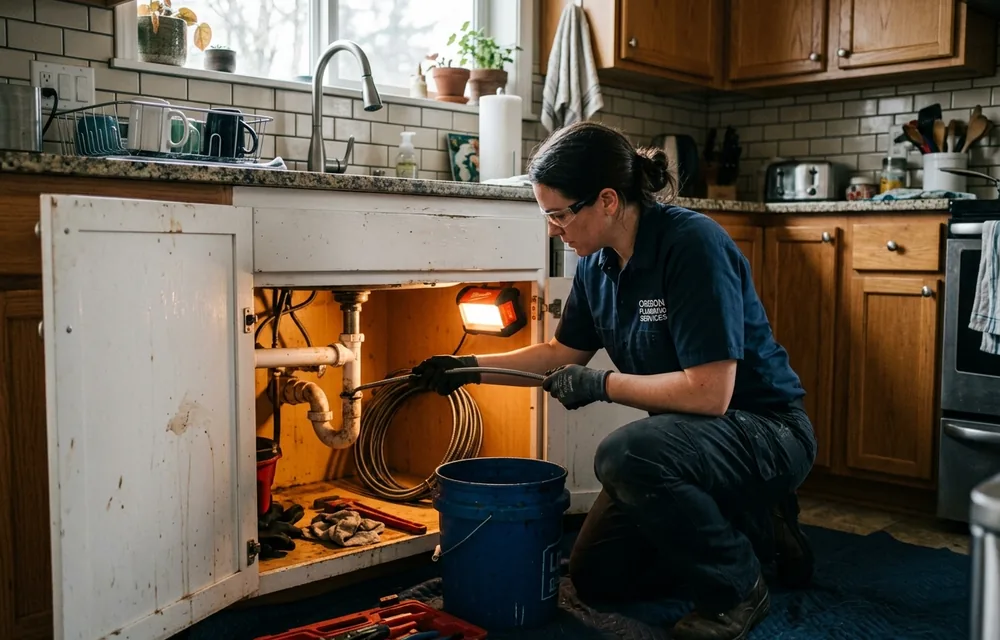
Drain Cleaning
A single slow sink is a nuisance.
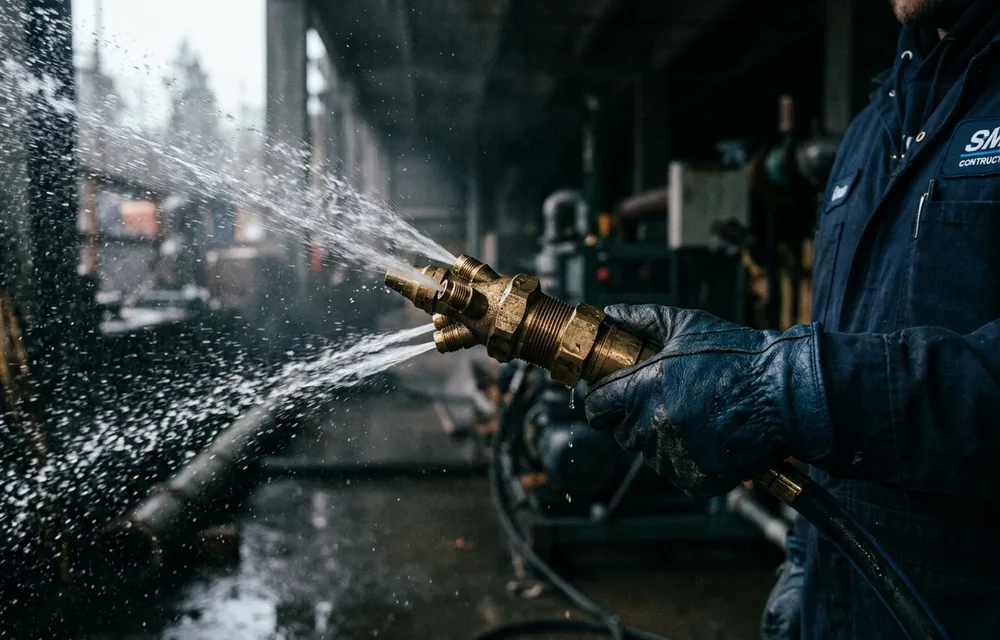
Hydro Jetting
A cable bores a hole through the clog.
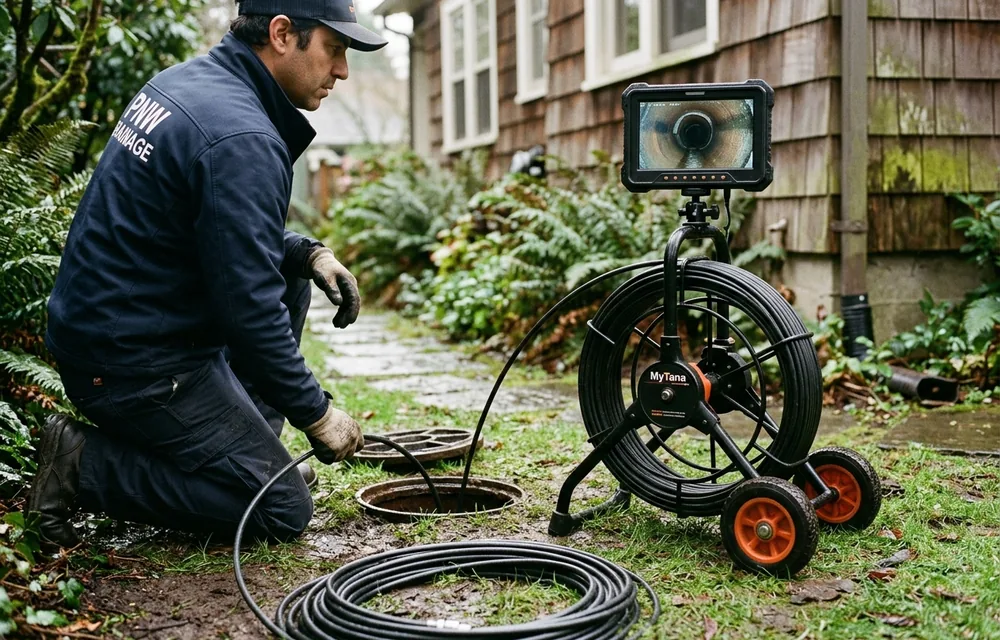
Sewer Camera Inspection
A sewer scope is the cheapest insurance in real estate and the only defensible basis for an excavation quote.
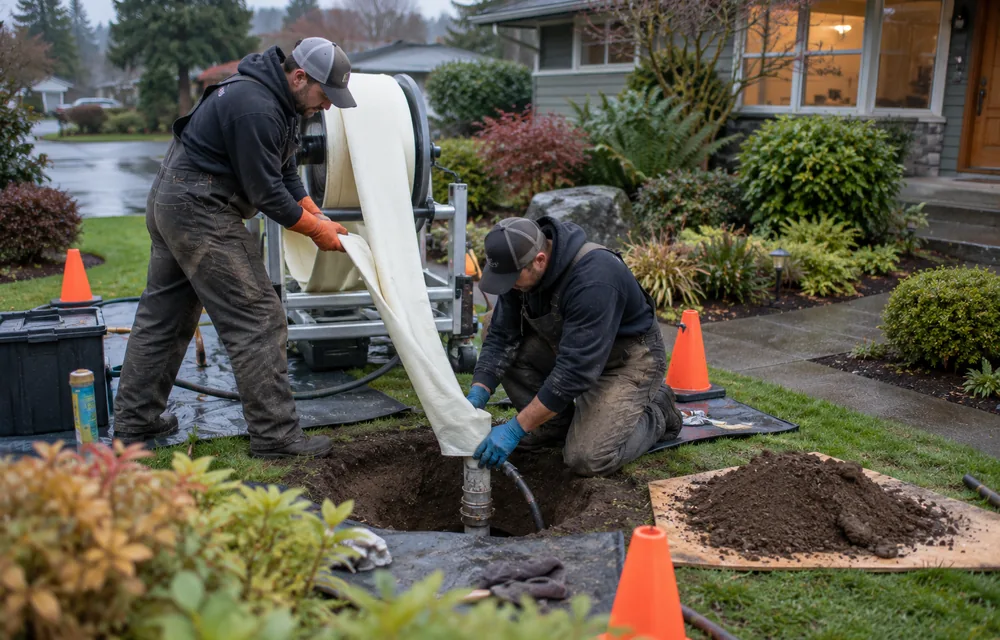
Sewer Line Repair & Replacement
Sewer replacement is the largest unexpected bill most Oregon homeowners ever face on their plumbing.
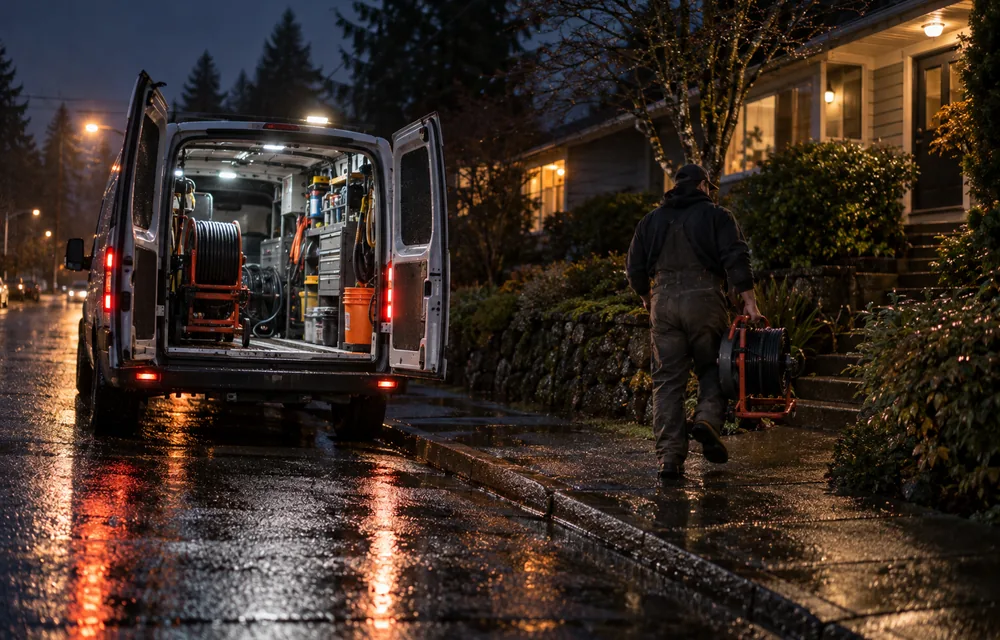
24/7 Emergency Drain & Sewer Service
If sewage is entering your home right now, stop reading and call.
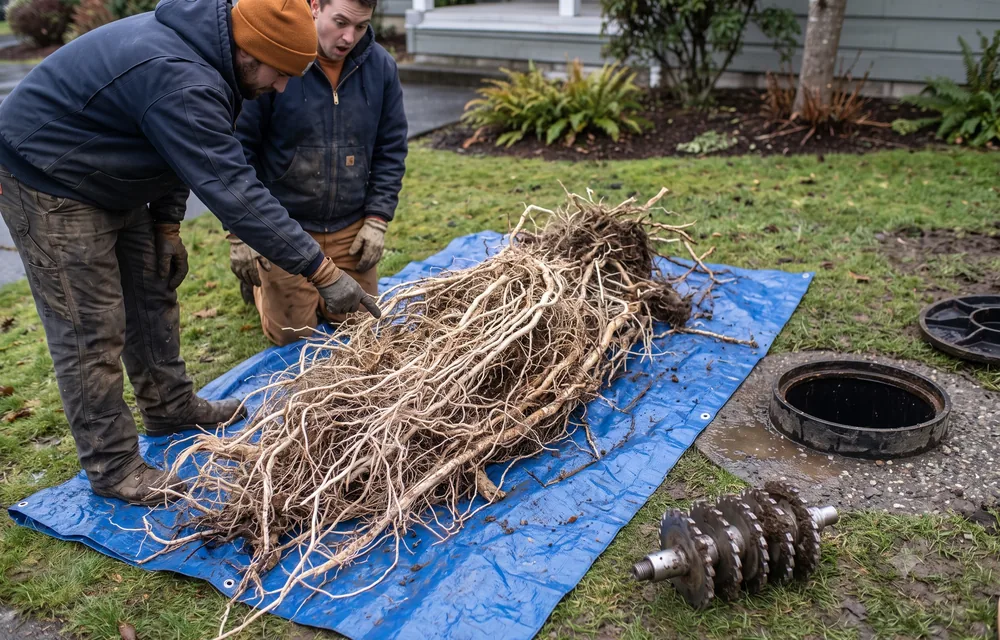
Rooter Service & Tree Root Removal
Roots do not break into a healthy pipe.
Portland plumbing questions
Does my Portland home have Orangeburg pipe?
If it was built between roughly 1945 and 1972 and the sewer lateral has never been replaced, the odds are meaningful — Portland's postwar building boom sits squarely in the Orangeburg window, and the areas east of 82nd Avenue and out toward Parkrose are particularly likely. A camera inspection is the only way to know. Orangeburg was rated for 30 to 50 years, so every remaining run is now past its design life.
Who pays for a sewer lateral repair in Portland?
Responsibility is split between the City of Portland and the property owner, with the division set out in City Code Chapter 17.32 and Administrative Rule ENB-4.17. Lateral repairs and connections in the public right-of-way require a UR or UC permit from the city. Confirm your specific split with the Bureau of Environmental Services before assuming any portion is the city's.
Can I remove the street tree that is destroying my sewer line?
Usually not. Portland regulates street trees and many larger private trees, and removal requires a permit that is frequently denied for a healthy specimen. Removal also does not repair the joint the roots already opened. CIPP lining is generally the practical answer here — it seals every joint at once and the tree stays.
Why does my Portland basement flood only during long rain, not heavy rain?
Because the mechanism is groundwater infiltration, not surface volume. A short intense downpour runs off. Days of sustained rain raise the water table until it reaches lateral depth, and groundwater then enters through the same cracked joints roots use. Your line spends the week carrying water it was never sized for, and the lowest opening in the house becomes the relief point. Portland's combined-sewer legacy in older areas compounds it.
Is a sewer scope worth it on a Portland house built in 1955?
It is close to the highest-value $250 you can spend on that purchase. 1955 sits in the middle of the Orangeburg window, and Orangeburg was rated for 30 to 50 years, so a 1955 lateral that has never been replaced is roughly twenty years past its design life. It also generally cannot be lined, so the finding changes your offer by five figures rather than by a few hundred dollars.